
Introduction: Why Molding Solutions Matter in Solid-State Battery Development
As the global battery industry transitions toward next-generation technologies, solid-state batteries (SSBs) are rapidly emerging as a key innovation in energy storage. Compared with conventional lithium-ion systems, SSBs offer higher energy density, enhanced safety, and longer cycle life. However, their commercialization depends heavily on precise laboratory processes, especially molding and cell assembly techniques.
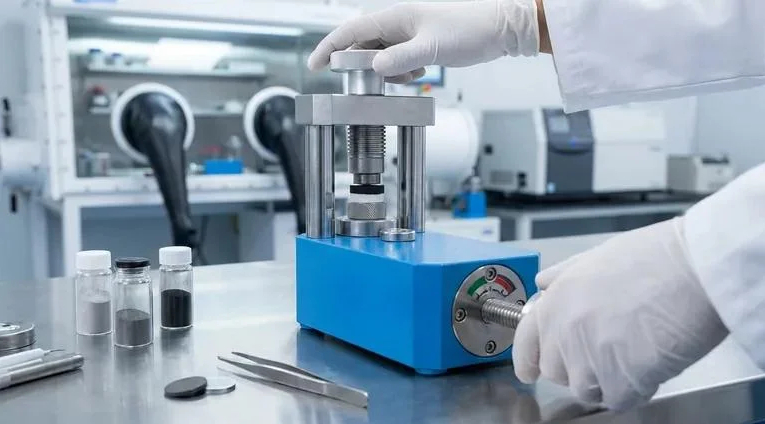
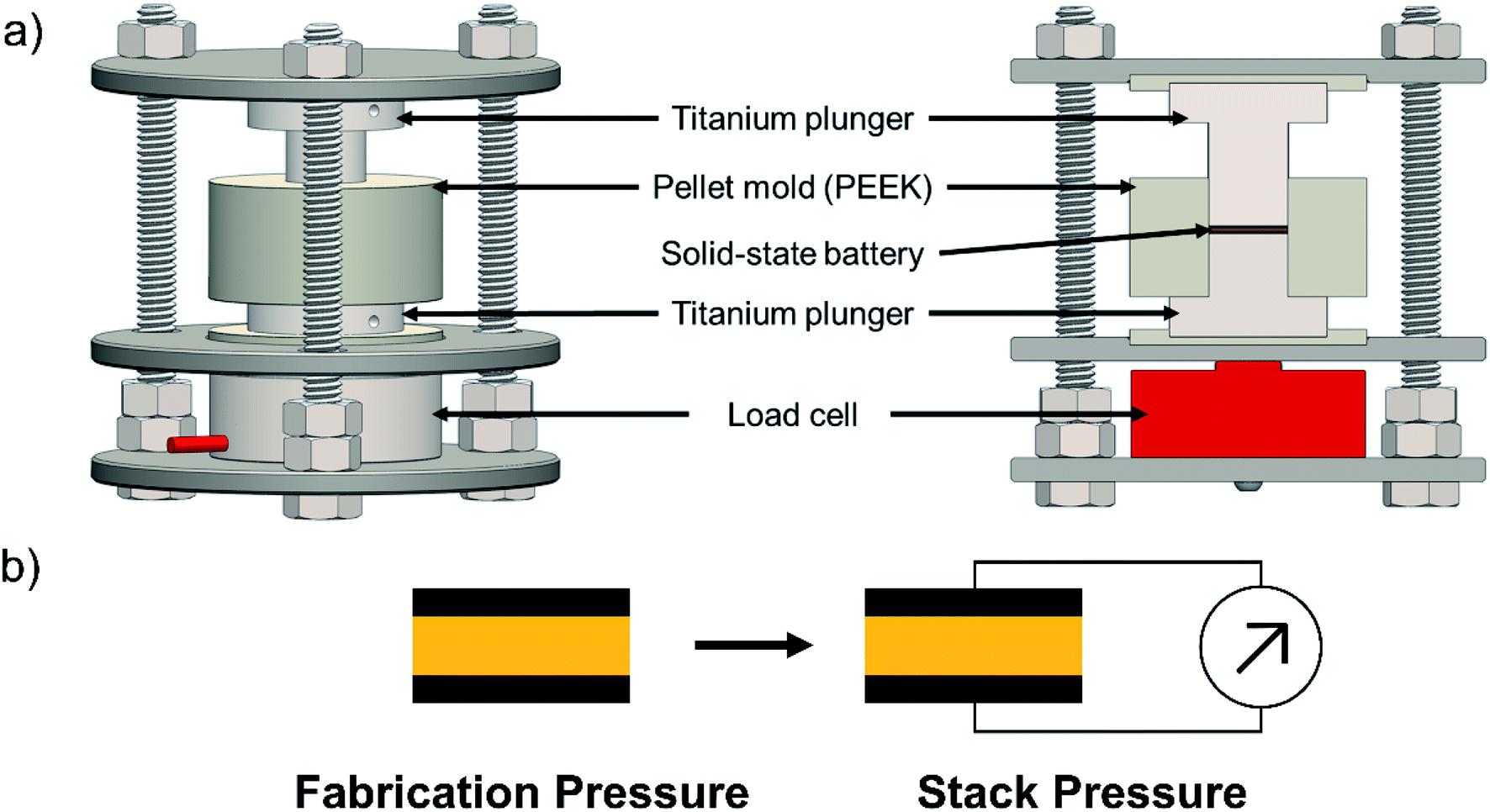
In research and pilot-scale environments, laboratory molding solutions for solid-state batteries play a critical role in determining material performance, interface stability, and reproducibility. This article provides a detailed breakdown of solid-state battery lab mold systems, their configurations, applications, and how to optimize them for advanced R&D.
1. What Is a Solid-State Battery Lab Molding System?
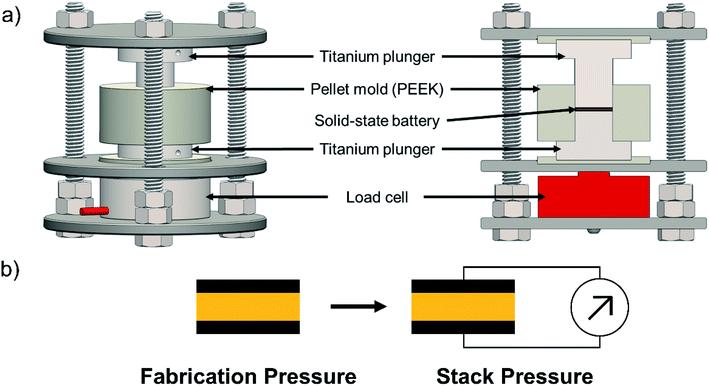
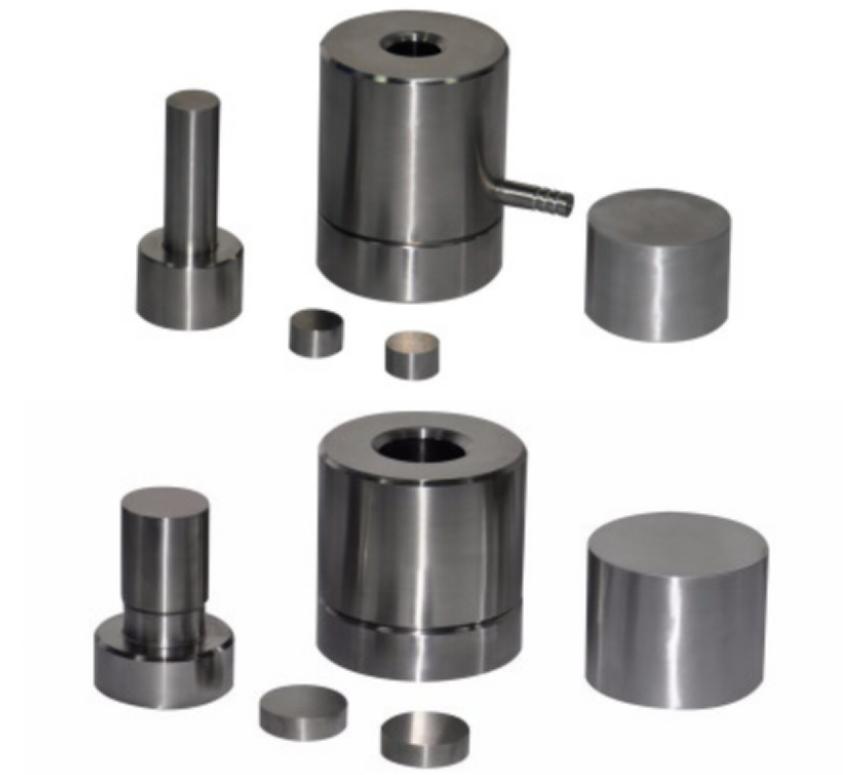
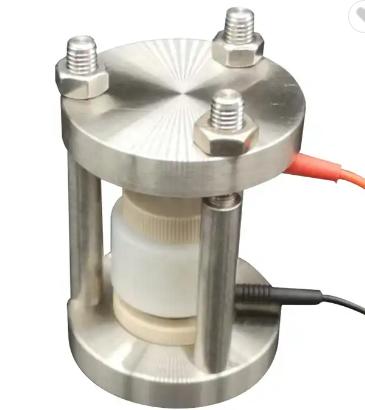
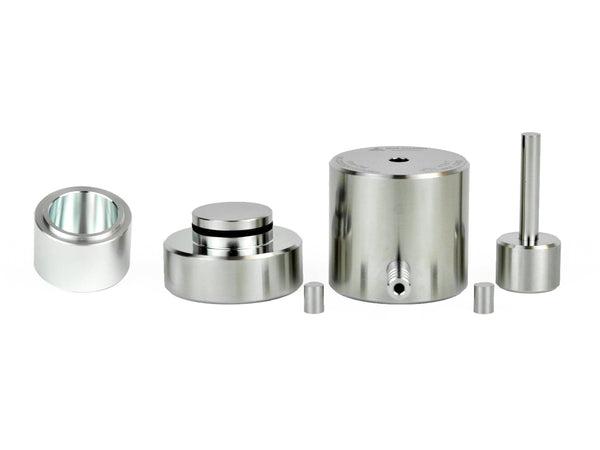
A solid-state battery laboratory mold system refers to a set of precision-engineered tools used to:
- Compress solid electrolyte powders into dense pellets
- Assemble multilayer electrode structures
- Fabricate coin cells or pouch-type prototypes
- Ensure uniform pressure distribution during cell formation
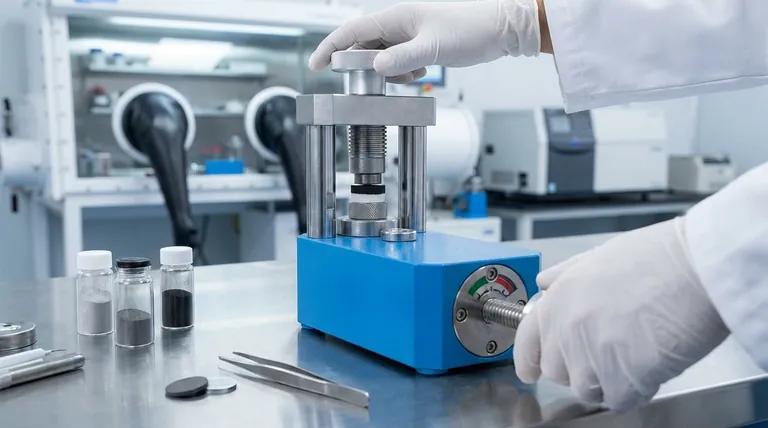
These systems are typically used in combination with hydraulic presses or hot pressing equipment, enabling controlled fabrication under specific pressure and temperature conditions.
2. Core Components of a Solid-State Battery Mold System
A complete lab molding solution consists of several key components, each contributing to the overall precision and repeatability of the battery prototype.
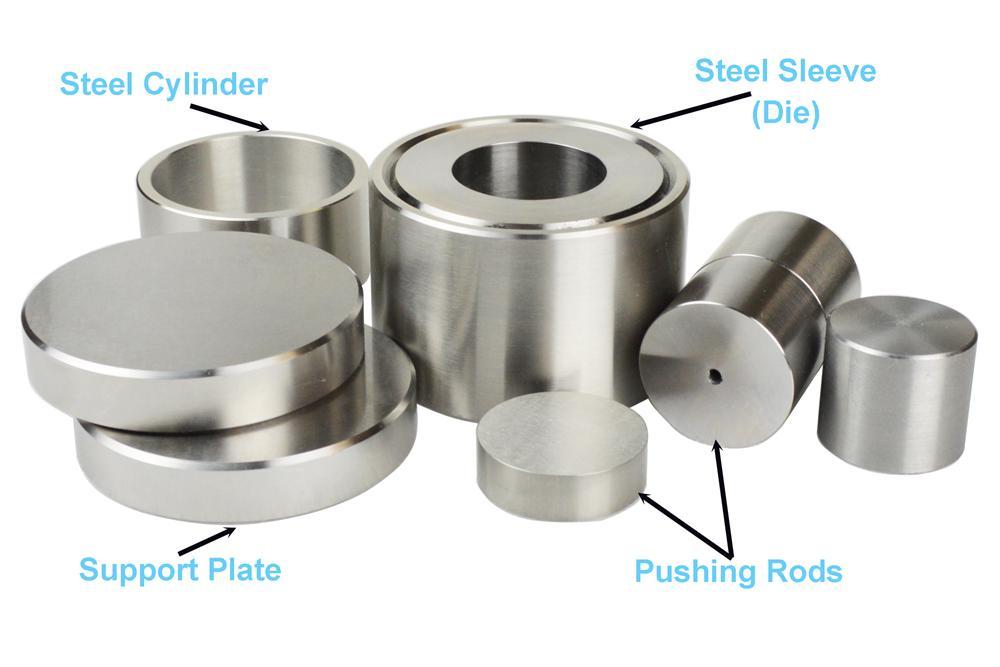
2.1 Pellet Pressing Die Set
- Designed for compressing solid electrolytes (e.g., sulfide, oxide, polymer-based materials)
- Common diameters: 10 mm, 12 mm, 16 mm, customizable
- High hardness materials (e.g., tungsten carbide, stainless steel)
- Mirror-polished inner surfaces to reduce friction and defects
2.2 Electrode Layer Alignment Fixtures
- Ensures accurate stacking of:
- Cathode layer
- Solid electrolyte layer
- Anode layer
- Minimizes interfacial resistance through precise alignment
2.3 Coin Cell Assembly Mold
- Compatible with standard formats (CR2032, CR2025, etc.)
- Enables rapid prototyping and electrochemical testing
- Integrated spacers and sealing components
2.4 Hot Press Mold System
- Used for thermally activated densification
- Suitable for polymer or composite electrolytes
- Temperature range: up to 200–500°C depending on materials
3. Typical Solid-State Battery Molding Workflow
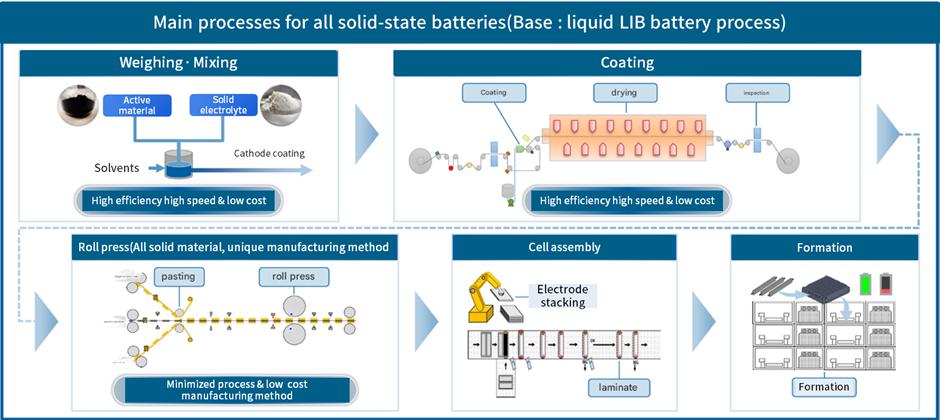
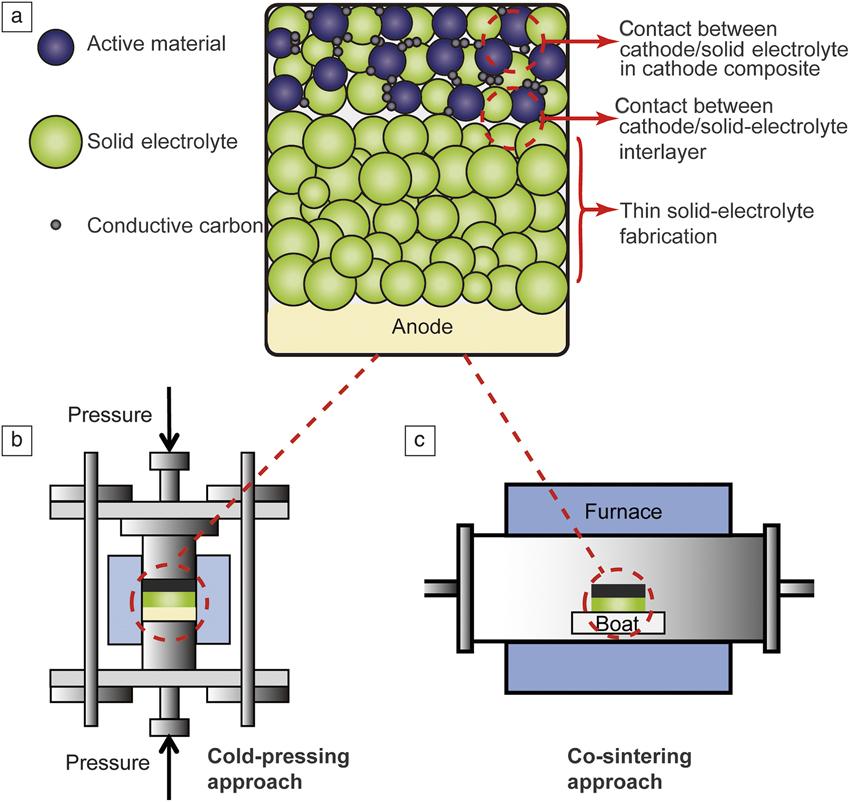
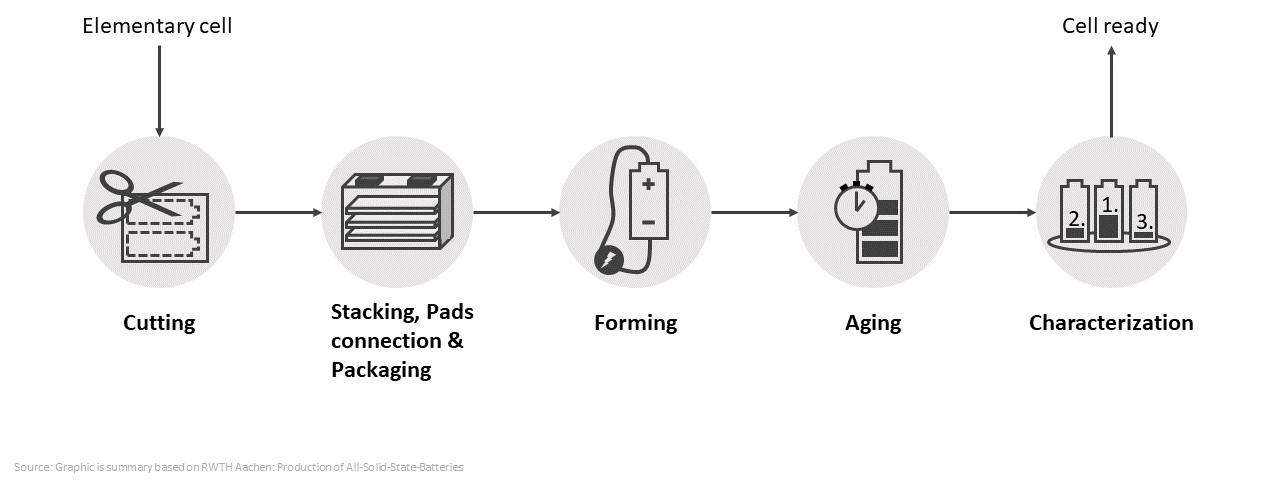
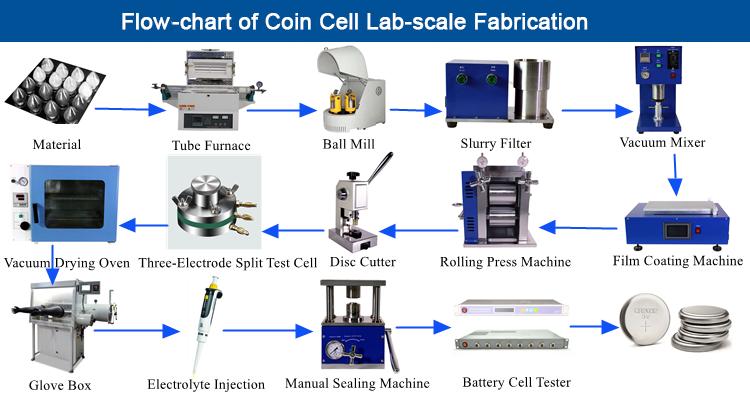
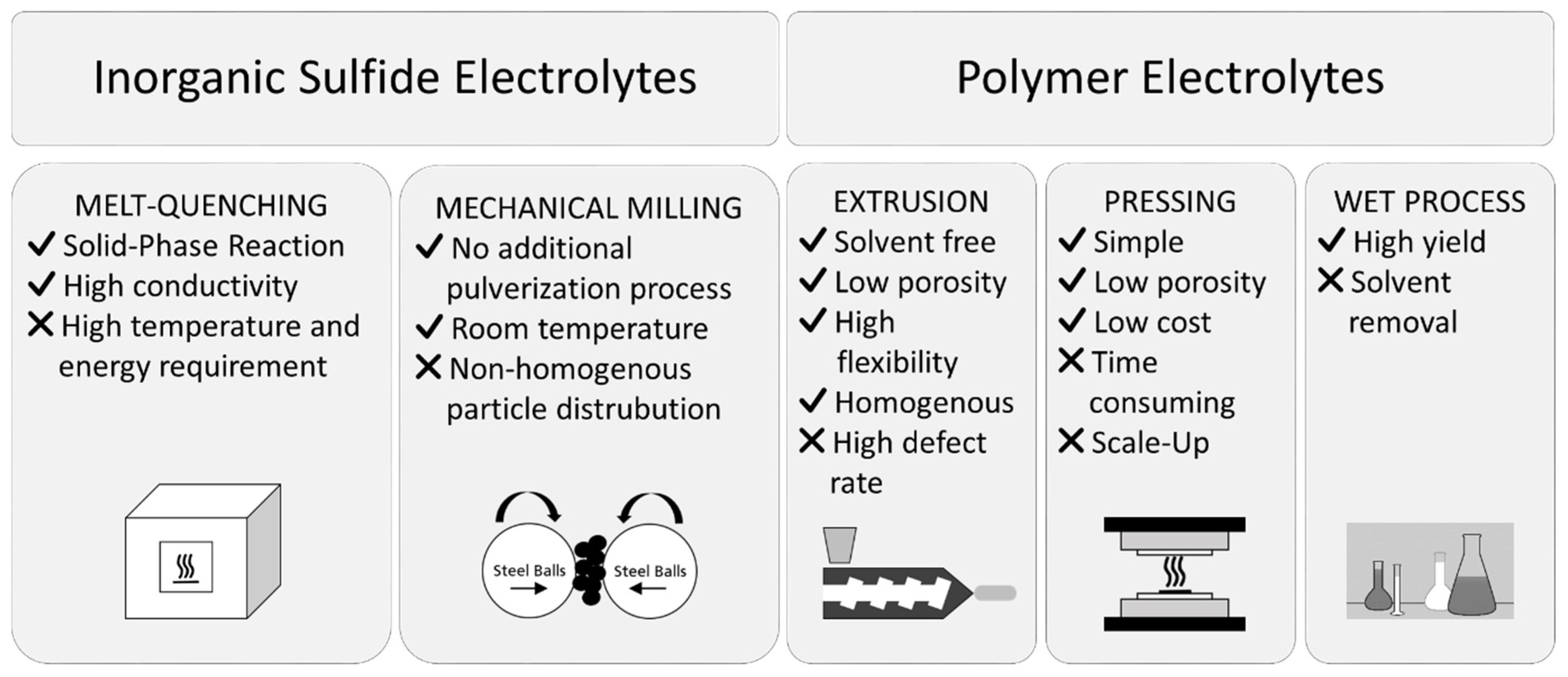
A standard lab-scale fabrication process includes:
Step 1: Powder Preparation
- Mixing and drying electrolyte materials
- Particle size control and homogenization
Step 2: Pellet Pressing
- Load powder into die
- Apply pressure (typically 100–500 MPa)
- Form dense electrolyte pellet
Step 3: Layer Stacking
- Place cathode and anode materials on both sides
- Use alignment mold for precise positioning
Step 4: Hot Pressing (Optional)
- Apply heat and pressure simultaneously
- Improve interface bonding
Step 5: Cell Assembly
- Transfer to coin cell mold
- Seal for electrochemical testing
4. Key Technical Parameters for Mold Optimization
To achieve high-performance solid-state battery prototypes, careful control of molding parameters is essential:
Pressure Control
- Uniform pressure distribution avoids cracking or delamination
- High pressure improves ionic conductivity by reducing porosity
Surface Finish
- Smooth mold surfaces reduce defects and contamination
- Critical for thin electrolyte layers
Material Compatibility
- Mold materials must resist corrosion (especially for sulfide electrolytes)
- Non-reactive coatings may be required
Temperature Stability
- Essential for hot pressing processes
- Uniform heating ensures consistent densification
5. Applications in R&D and Pilot Production
Solid-state battery lab mold systems are widely used in:
- University research laboratories (material innovation, interface studies)
- Battery startups and R&D centers (prototype validation)
- Industrial pilot lines (process scaling and parameter optimization)
- Advanced material testing labs (ionic conductivity, cycle life testing)
These systems bridge the gap between material science research and commercial battery manufacturing.
6. Future Trends in Solid-State Battery Molding Technology
With the rapid evolution of SSB technology, laboratory molding solutions are also advancing:
- Automated pressing systems for higher reproducibility
- Multi-layer co-pressing molds for integrated cell fabrication
- In-situ pressure and temperature monitoring
- AI-assisted process optimization for parameter tuning
Companies and research institutions are increasingly investing in precision mold engineering to accelerate the commercialization of solid-state batteries.
Conclusion: Precision Molding as the Foundation of Solid-State Battery Innovation
In the development of solid-state batteries, laboratory molding solutions are not just tools—they are foundational technologies that directly impact performance, scalability, and commercial viability.
For researchers and engineers, selecting the right solid-state battery mold system—combined with optimized process parameters—can significantly improve experimental efficiency and data reliability.
As the industry moves toward mass adoption, mastering these lab-scale molding techniques will be essential for translating breakthrough materials into real-world energy solutions.
FAQ: Solid-State Battery Lab Molding Solutions
Q1: What pressure is typically required for solid electrolyte pellet pressing?
A: Most solid electrolytes require pressures between 100 MPa and 500 MPa, depending on material type and desired density.
Q2: Can the same mold be used for lithium-ion and solid-state batteries?
A: While some coin cell molds are compatible, solid-state systems often require higher precision and pressure-resistant designs.
Q3: Is hot pressing necessary for all solid-state batteries?
A: No. It is mainly used for polymer or composite electrolytes, but can also enhance interface quality in some inorganic systems.
Q4: What are the main challenges in lab-scale molding?
A: Key challenges include achieving uniform الضغط, preventing contamination, and ensuring repeatability across experiments.
If you are developing solid-state battery materials or prototyping next-generation energy storage systems, investing in a high-quality laboratory molding solution is a critical step toward success.
Author Profile

- BatteryRing Sales Engineers bring over 20 years of experience in the global battery supply chain, positioning us as true industry experts. We provide end-to-end consulting services covering the entire battery lifecycle, including R&D, laboratory testing, product planning, material sourcing, manufacturing equipment, system design, and full production line construction. Our mission is to empower your energy business with efficient, scalable, and technically advanced solutions for accelerated growth.
Latest entries

 Battery Price NewsMay 30, 2026Sodium-Ion Battery Material Cost Advantages: A Comprehensive Analysis of Raw Materials, Commercialization Progress, and Future Market Trends
- Industry NewsApril 22, 2026CATL Unveils Qilin Condensed Battery: Up to 1,500 km EV Range Breakthrough
- Major Company NewsApril 21, 2026CATL Power Battery Tech 2026: From Sodium-Ion Mass Production to Solid-State Roadmaps