

Battery Equipment for Lithium Battery Manufacturing and Testing
Battery equipment covers a comprehensive range of machines used across research and development (R&D), laboratory testing, and large-scale battery manufacturing. From material processing and electrode preparation equipment to cell assembly systems and automated production lines, these solutions are provided by professional battery equipment manufacturers and suppliers, supporting lithium-ion, sodium-ion, and next-generation battery technologies.

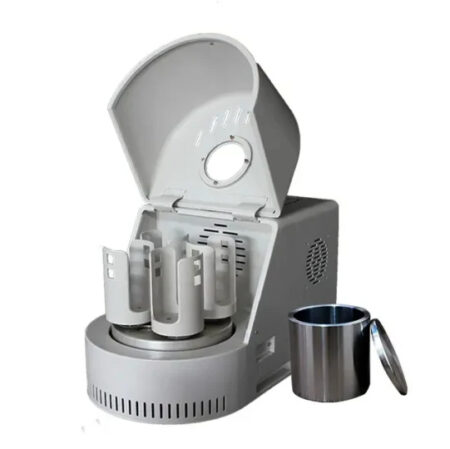
High-Efficiency Planetary Ball Mill for Lab Research & Nano-Grinding
The Planetary Ball Mill is a versatile and essential piece of laboratory equipment designed for high-energy mixing, ultra-fine grinding, and sample preparation. It is the industry standard for dispersing nano-materials, developing new products, and small-batch production of high-tech materials.

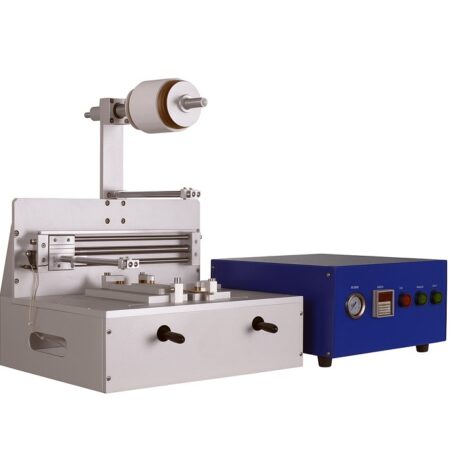
Semi-Auto Pouch Cell Stacking Machine for Lithium-ion Lab Battery R&D
The BrtteryRing BR-M-S-200 Pouch Cell Stacking Machine is a premier solution for battery researchers and lab technicians focusing on the assembly of high-quality lithium-ion pouch cells. This semi-automatic Z-fold stacking system simplifies the intricate process of layering anodes, cathodes, and separators, ensuring precise alignment which is critical for electrochemical stability.
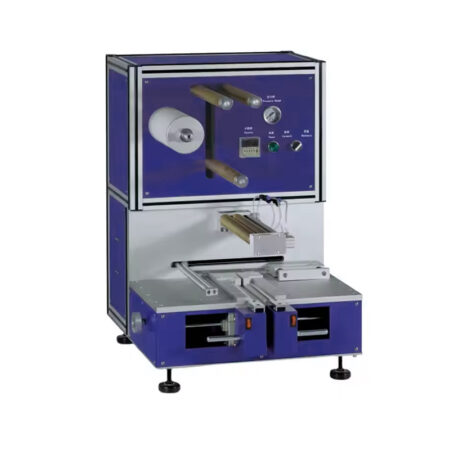
Semi-Automatic Lamination Stacking Machine for Battery Cells
The Semi-Automatic Lamination Stacking Machine (Model: BR-BDP200-B) is a precision instrument designed specifically for the stacking process of lithium-ion battery electrodes. By utilizing a Z-shape (Z-folding) lamination method, the device interleaves positive and negative electrodes with the separator film.
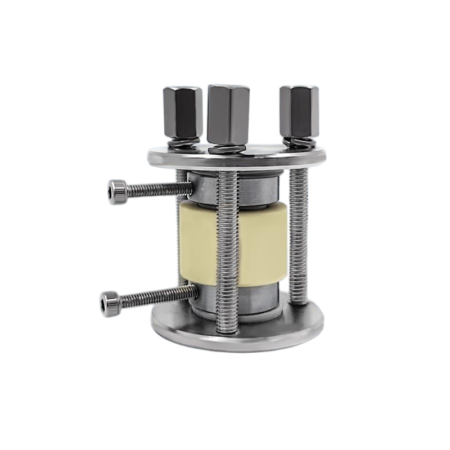
Solid State Battery Mold (Ceramic Version) for Lab Research | High-Pressure Cell
Professional-grade Ceramic Solid State Battery Mold designed for precision laboratory testing and material research. Constructed with high-performance insulation ceramics, this mold offers exceptional chemical inertness and mechanical strength. Engineered to withstand high compression forces during solid-state electrolyte assembly, it ensures stable and repeatable results for impedance spectroscopy and cycling tests.


Battery Ring is a global supplier of advanced battery materials and equipment solutions. We deliver high-quality components, precision manufacturing systems, and customized solutions for lithium-ion and next-generation batteries.

