

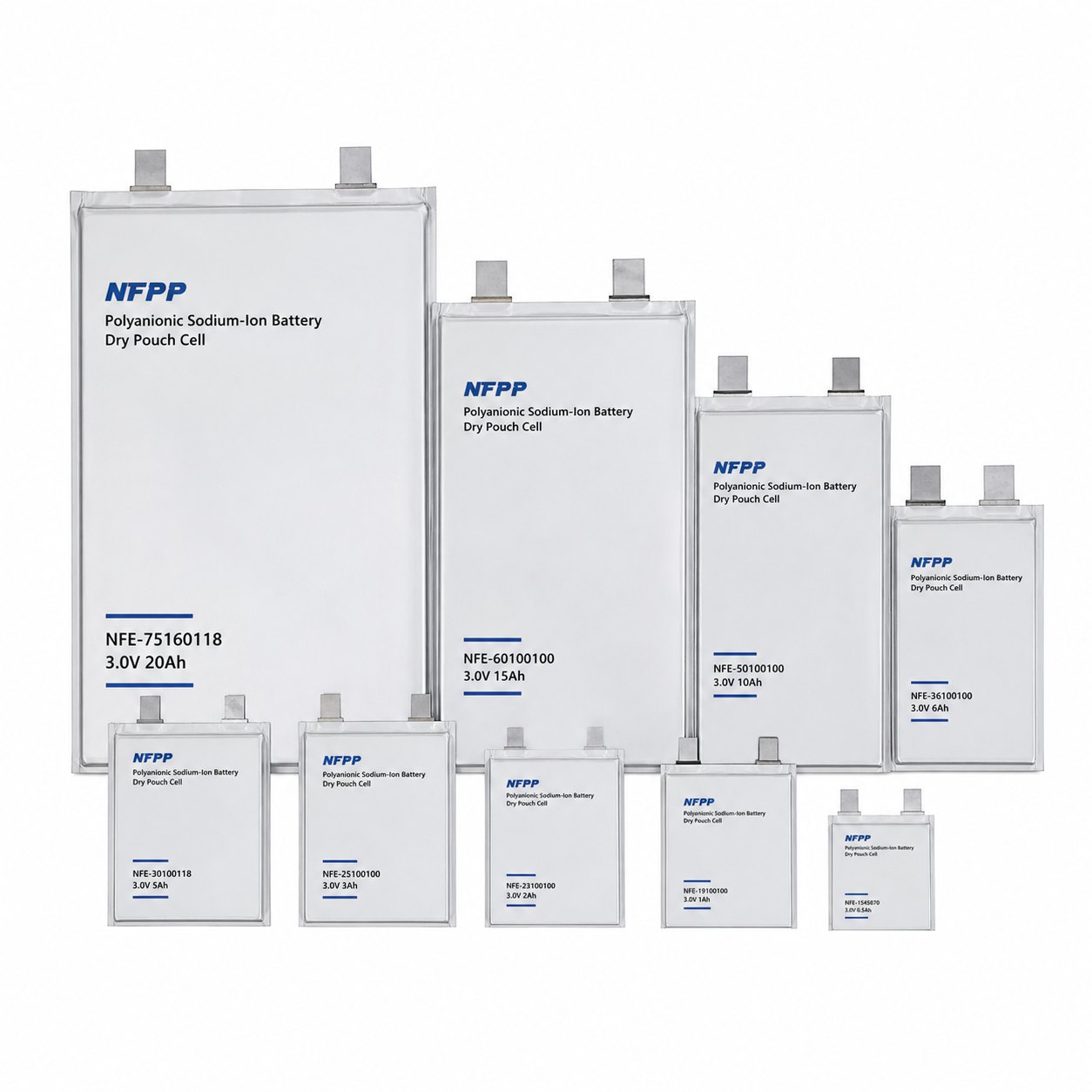

Description
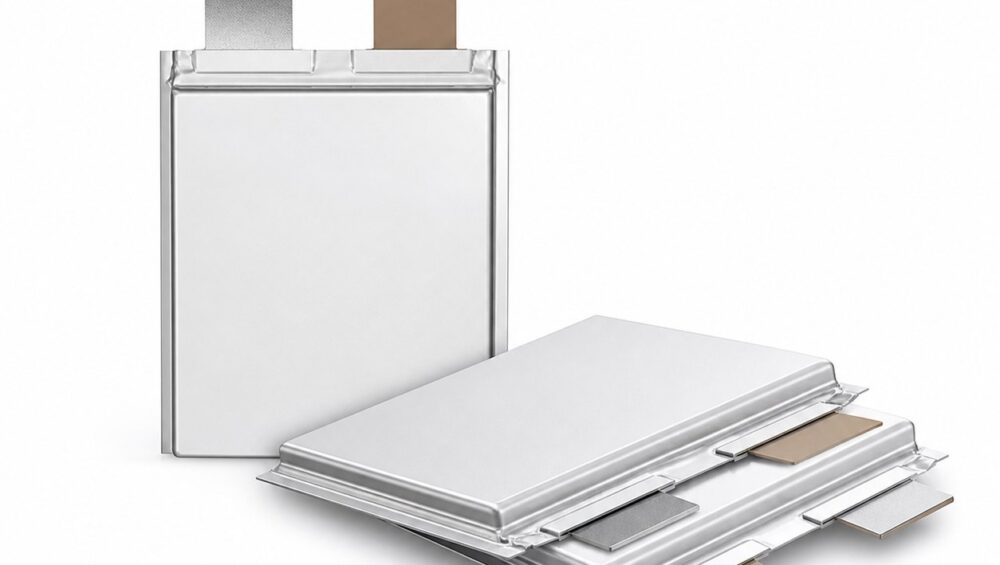
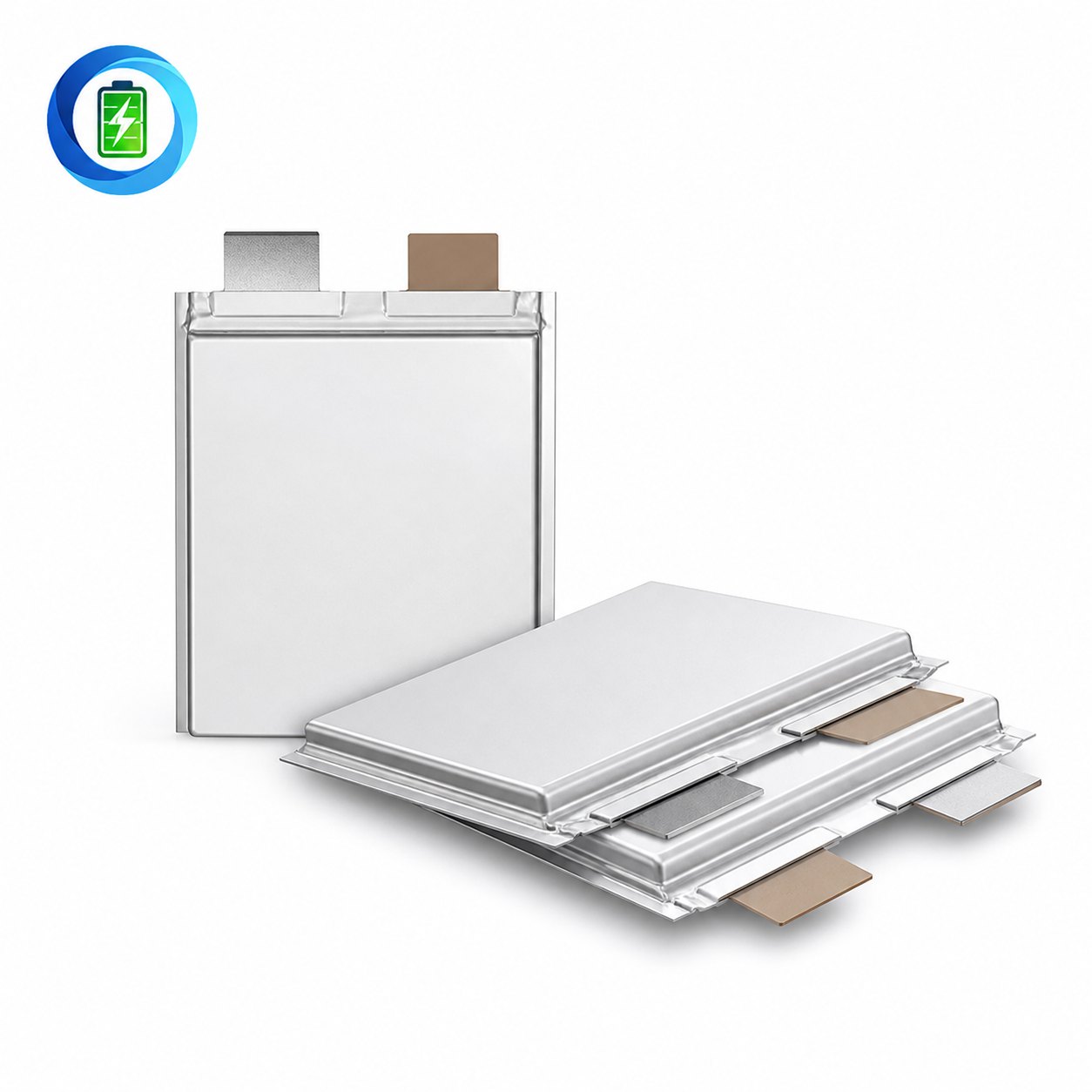
Engineered for flexibility, the unfilled design allows researchers to customize electrolyte formulations, making it ideal for sodium-ion battery development, electrolyte optimization, and next-generation energy storage research. Standard 1 Ah configuration is available, with scalable options up to 5 Ah and fully customizable specifications.
Key Highlights:
- Lithium-free, cobalt-free, nickel-free chemistry
- ~91% capacity retention after 3000 cycles (1C)
- High thermal and structural stability via NFPP polyanionic framework
- Dry pouch design for custom electrolyte research
- Multiple capacity options (1 Ah / 2 Ah / 5 Ah / custom)
The BR-NFPP-HC series represents a breakthrough in sustainable energy storage, utilizing a Sodium Ferric Pyrophosphate ($Na_4Fe_3(PO_4)_2P_2O_7$) cathode paired with a high-performance Hard Carbon anode. This lithium-free and cobalt-free chemistry leverages the robust structural stability of the polyanionic framework to deliver a cycle life comparable to LFP technology.
Shipped in a dry (unfilled) pouch format, these cells are specifically engineered for researchers and manufacturers to test proprietary electrolyte formulations, SEI additives, and electrochemical performance in a standardized, industrial-grade stacked architecture.
Core Technical Specifications
| Parameter | Standard 1 Ah Grade Value |
| Cell Architecture | Stacked (Laminated) Pouch |
| Cathode Material | NFPP ($Na_4Fe_3(PO_4)_2P_2O_7$) |
| Anode Material | Hard Carbon |
| Design Capacity | 1000 mAh (1 Ah) |
| Voltage Window | 1.5 V – 3.4 V |
| N/P Ratio | 1.2 |
| Dimensions | 60 × 90 mm (6090) |
| Cycle Life (1C) | ~91% Retention @ 3000 Cycles |
Key Performance Characteristics
Exceptional Structural Reversibility: Thanks to strong P–O covalent bonds, the polyanionic framework resists oxygen release and structural degradation, maintaining approximately 91% capacity even after 3000 cycles at 1C.
Sustainable & Cost-Effective: By eliminating lithium, cobalt, and nickel, the NFPP chemistry relies on earth-abundant iron and sodium, ensuring supply chain resilience for grid-scale storage.
Enhanced Safety Profile: The intrinsic thermal stability of the pyrophosphate structure provides superior resistance to thermal runaway compared to traditional layered oxide sodium-ion cathodes.
R&D Versatility: The dry pouch design allows for precise control over electrolyte injection ($8–10\text{ g/Ah}$ recommended), making it the ideal platform for interface studies and additive screening.
Available Capacity Grades
| Grade | Capacity | Primary Application |
| Standard | 1000 mAh | Laboratory-scale R&D and materials testing |
| Mid-Scale | 2000 mAh | Prototyping and performance benchmarking |
| Validation | 5000 mAh | Pre-production and stationary storage testing |
| Custom | Customizable | Bespoke dimensions, separators, and windows |
Activation & Handling
To ensure optimal performance, cells should be vacuum-sealed after electrolyte injection and undergo a strict aging protocol ($45^\circ\text{C}$ for 24 hours under $8\text{ kgf/cm}^2$ pressure). Formation should be conducted at 0.1C to a cut-off of 3.4 V.
Note: Always handle cells in a moisture-controlled environment (glovebox or dry room with $RH < 30\%$) to prevent contamination of the sodium-ion chemistry.
How can I help you customize the electrode dimensions or separator type for your specific research needs?
Application Focus:
Optimized for sodium-ion battery research, electrolyte formulation studies, and prototyping in stationary energy storage and low-speed mobility systems.
Author Profile

- BatteryRing Sales Engineers bring over 20 years of experience in the global battery supply chain, positioning us as true industry experts. We provide end-to-end consulting services covering the entire battery lifecycle, including R&D, laboratory testing, product planning, material sourcing, manufacturing equipment, system design, and full production line construction. Our mission is to empower your energy business with efficient, scalable, and technically advanced solutions for accelerated growth.
Latest entries
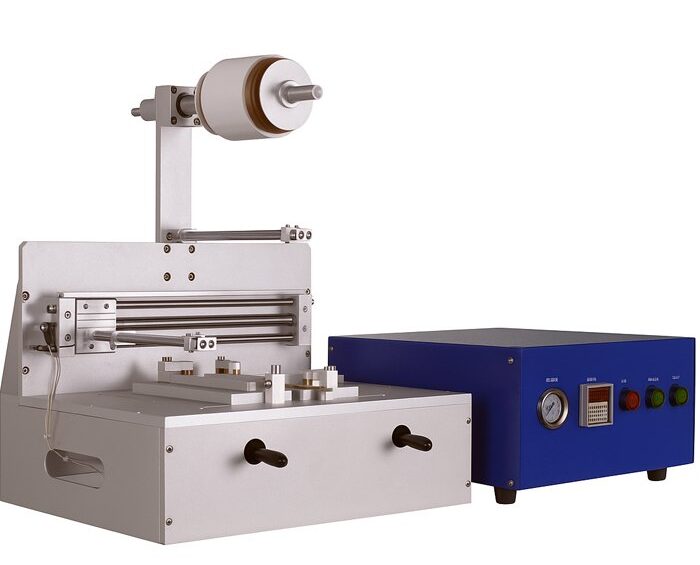
 simpleMay 4, 2026Semi-Auto Pouch Cell Stacking Machine for Lithium-ion Lab Battery R&D
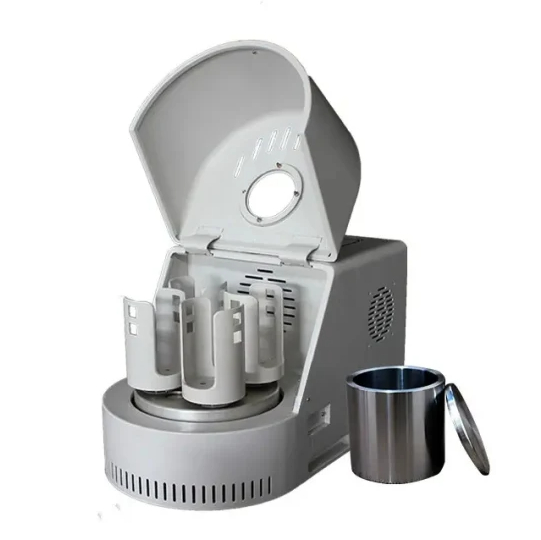
 simpleMay 4, 2026High-Efficiency Planetary Ball Mill for Lab Research & Nano-Grinding
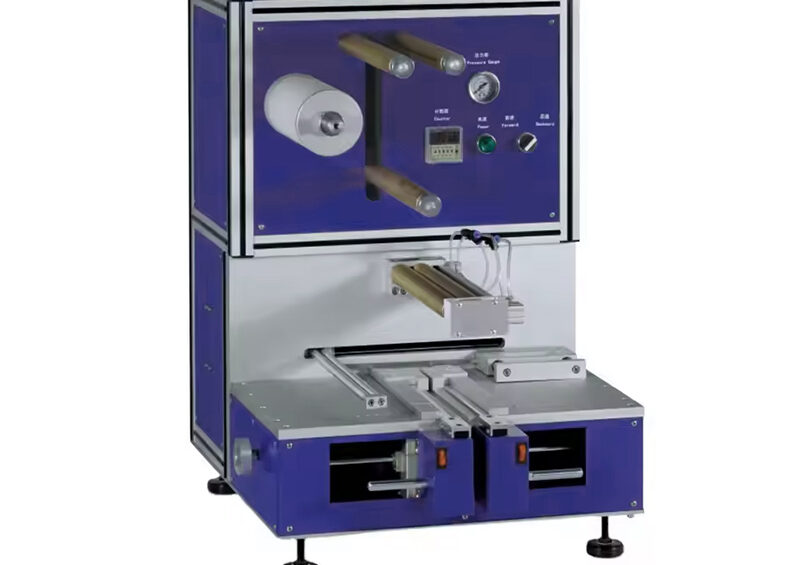
 simpleMay 4, 2026Semi-Automatic Lamination Stacking Machine for Battery Cells
 simpleMay 4, 2026High-Power LFP Cells – BR Series 4500W/kg & 42C Pulse Rate




Reviews
There are no reviews yet.